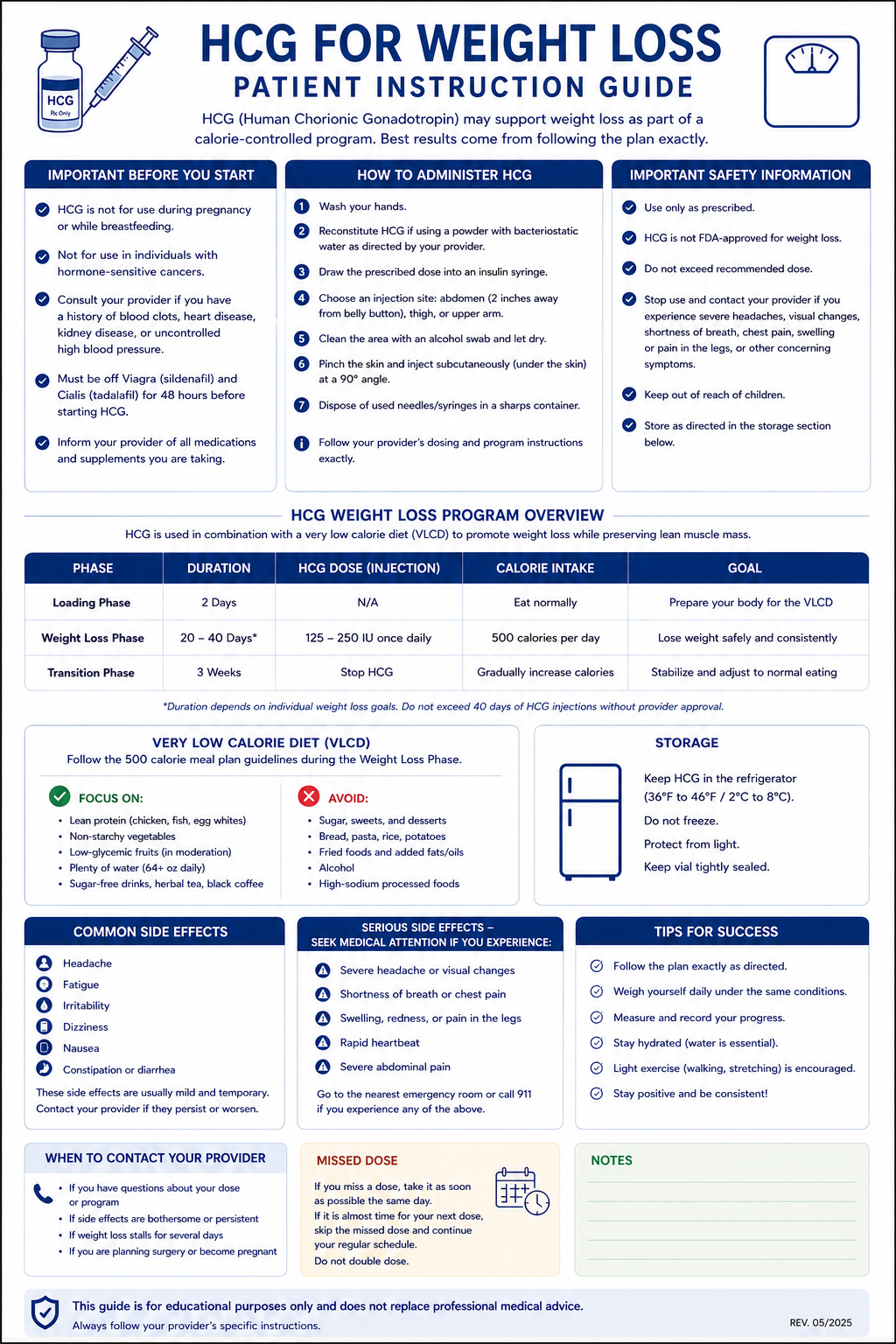
Medical Weight Loss
We Specialize In Getting Your Life Back
Weight Loss And Peptides Offered:
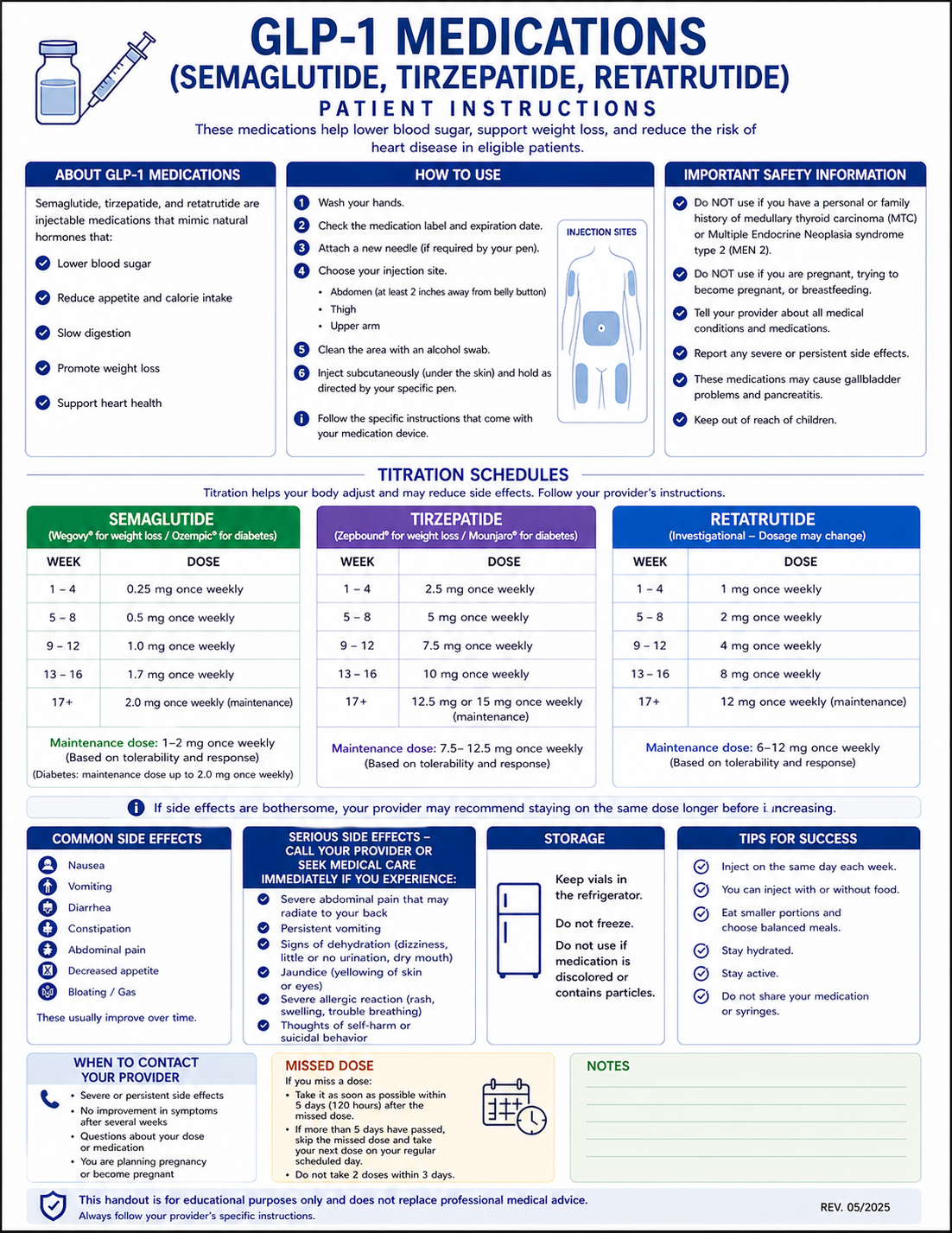
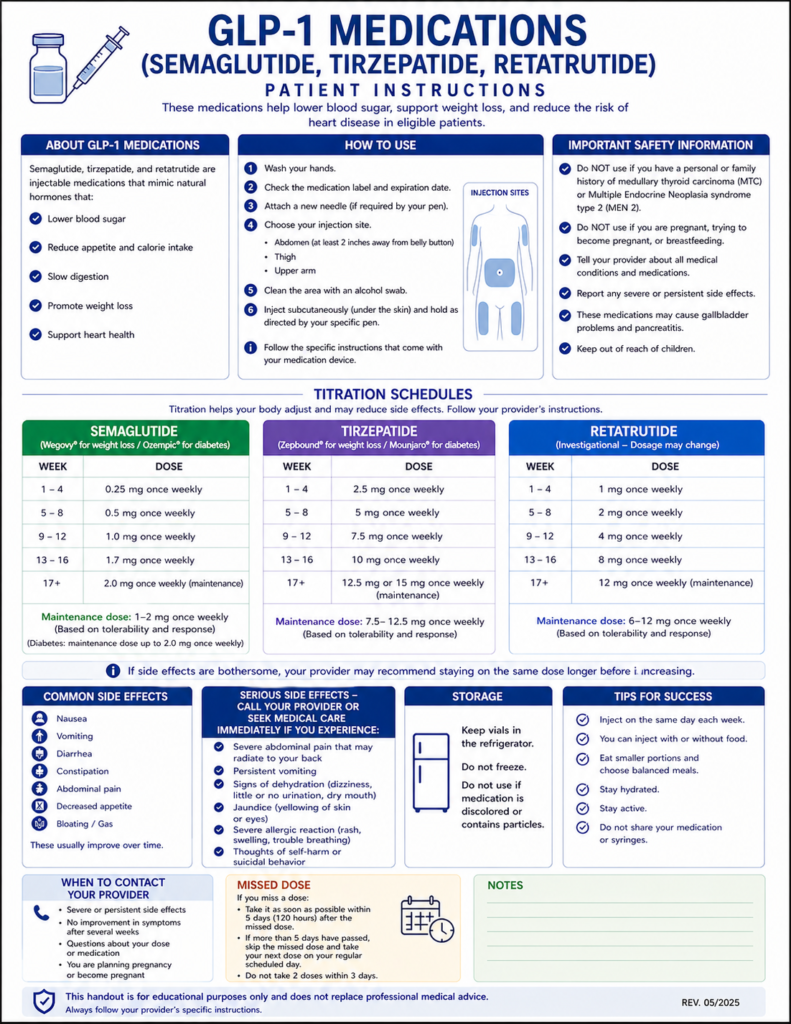
- SEMAGLUTIDE/TIRZEPATIDE/RETATRUTIDE
- PHENTERMINE/BELLA CAPSULE
- LIPOTROPICS
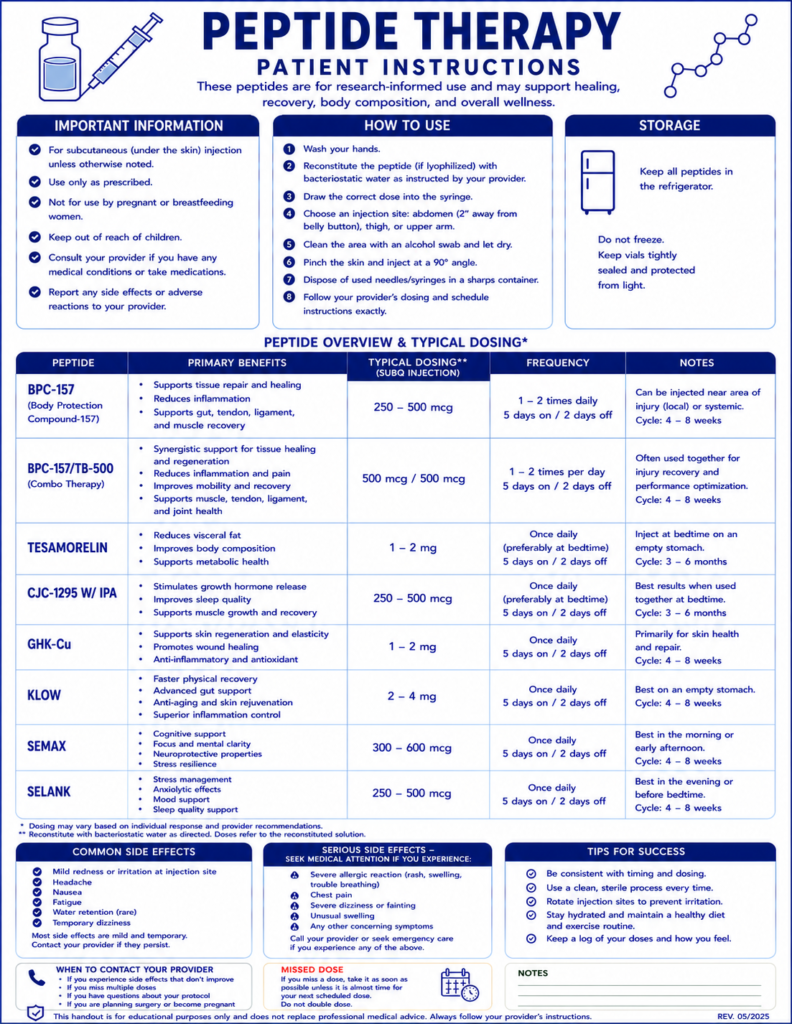
- BPC-157
- BPC-157/TB500
- KLOW
- GHKCU
- TESAMORELIN
- CJC/IPAMORELIN
- SERMORELIN
- SEMAX/SELANK
- OXYTOCIN



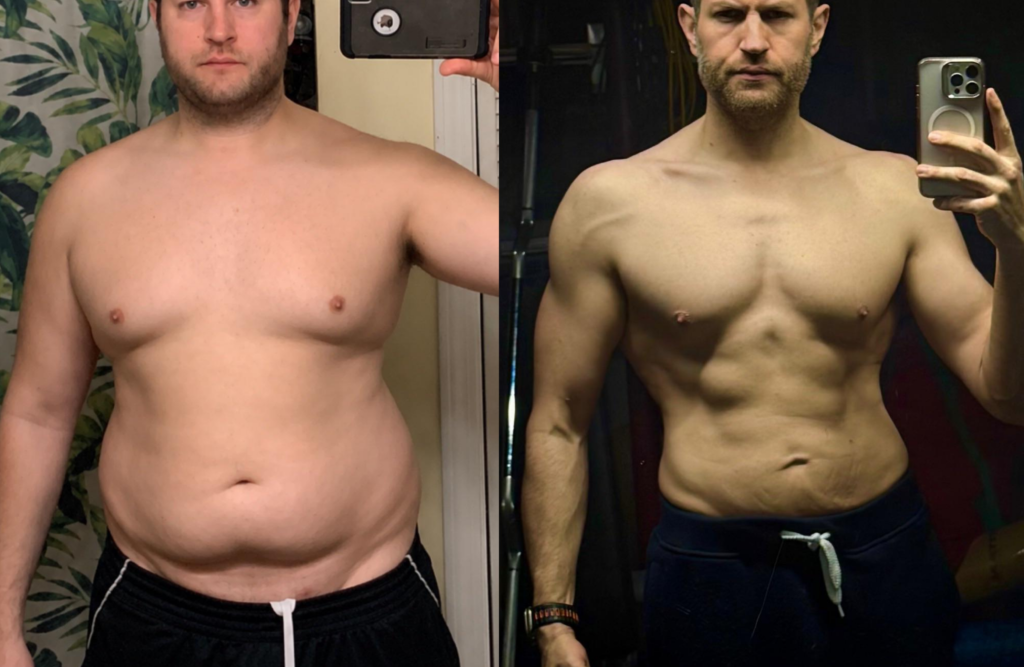
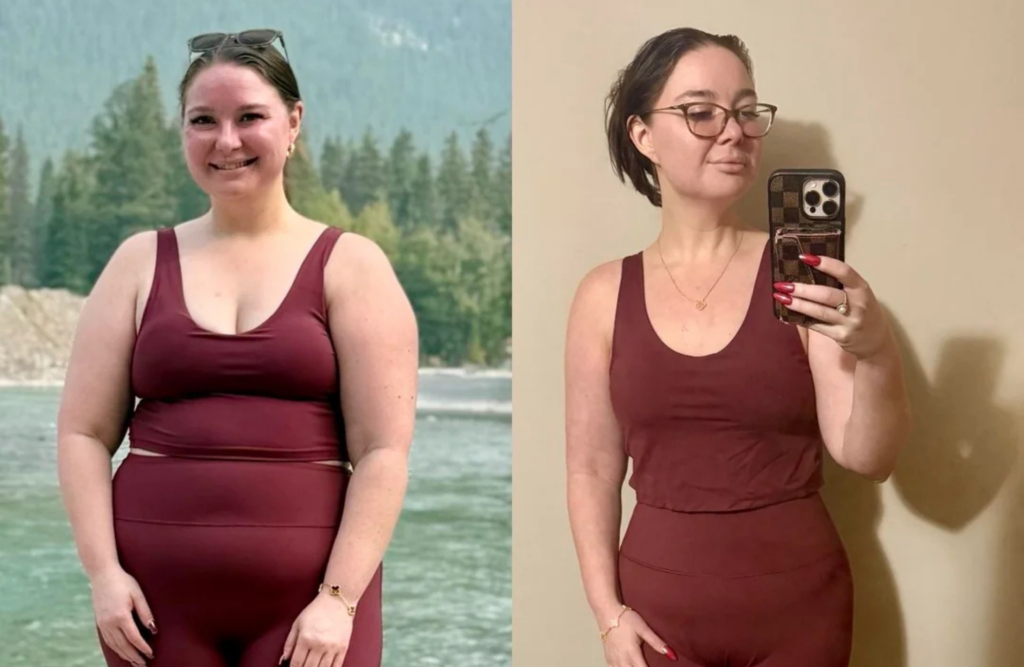

Medical Weight Loss – Frequently Asked Questions
GLP-1 medications are prescription treatments that help reduce appetite, increase feelings of fullness, and support healthy weight loss. Some medications also work on additional hormone receptors to further improve metabolism and weight reduction.
Common GLP-1-based medications include:
- Semaglutide (brand names: Wegovy®, Ozempic®)
- Tirzepatide (brand names: Zepbound®, Mounjaro®)
- Retatrutide (currently an investigational medication and not yet FDA-approved for weight loss)
These medications work best when combined with a healthy diet, regular physical activity, and sustainable lifestyle changes. Your healthcare provider will recommend the medication that is most appropriate based on your health history, weight loss goals, and individual needs.
Although all three medications help with weight loss by reducing appetite and increasing fullness, they work slightly differently.
Semaglutide (Wegovy®, Ozempic®)
- Targets one hormone receptor (GLP-1).
- Helps reduce hunger and slows stomach emptying.
- A great option for many patients starting medical weight loss treatment.
- Average weight loss: 10–15% of body weight.
Tirzepatide (Zepbound®, Mounjaro®)
- Targets two hormone receptors (GLP-1 and GIP).
- Provides stronger appetite suppression and improved metabolic effects than GLP-1 alone.
- Average weight loss: 15–22% of body weight.
Retatrutide
- Targets three hormone receptors (GLP-1, GIP, and glucagon).
- Helps reduce appetite while also increasing energy expenditure, allowing the body to burn more calories.
- Clinical trials have shown weight loss of up to approximately 24% of body weight.
Your healthcare provider will recommend the medication that best fits your health history, weight loss goals, and individual needs.
The exact dose depends on the medication prescribed and your individual treatment plan. Providers typically start with a low dose and gradually increase it to minimize side effects.
Semaglutide
- Start: 0.25 mg once weekly
- Increase to: 0.5 mg weekly
- Then: 1 mg weekly
- Maintenance: up to 1.7–2.4 mg weekly, depending on tolerance
Tirzepatide
- Start: 2.5 mg once weekly
- Increase to: 5 mg weekly
- Then: 7.5 mg
- Then: 10 mg
- Then: 12.5 mg
- Maximum: 15 mg weekly
Retatrutide
(Currently follows dosing schedules used in clinical studies.)
- Start: 1–2 mg once weekly
- Gradually increase to: 4 mg
- Then: 8 mg
- Then: 12 mg weekly
Your provider will determine the safest dose progression based on your response and tolerance.
The most common side effects include:
- Nausea
- Vomiting
- Constipation
- Diarrhea
- Heartburn
- Stomach discomfort
- Reduced appetite
- Bloating
These side effects are usually mild and improve as your body adjusts.
Rare but serious side effects may include:
- Pancreatitis
- Gallbladder problems
- Kidney injury from dehydration
- Severe allergic reactions
Contact your provider immediately if you experience severe abdominal pain or persistent vomiting.
Results vary based on the medication used and your commitment to nutrition and exercise.
Average weight loss reported in studies includes:
- Semaglutide: approximately 10–15% of body weight
- Tirzepatide: approximately 15–22% of body weight
- Retatrutide: up to approximately 24% of body weight in clinical trials
Individual results will vary.
Many patients notice reduced appetite within the first week.
Weight loss often begins during the first month and continues steadily over 6 to 12 months or longer when combined with healthy lifestyle habits.
Healthy weight loss is generally around 1–2 pounds per week, although early results may vary.
Yes, depending on your provider’s recommendation.
Common combinations include:
- GLP-1 medication + Lipotropic (MIC/B12) injections
- GLP-1 medication + Vitamin B12 injections
- GLP-1 medication + nutrition counseling
- GLP-1 medication + exercise program
However, different GLP-1 medications should generally not be used together.
For example:
- Semaglutide + Tirzepatide — Not recommended
- Semaglutide + Retatrutide — Not recommended
- Tirzepatide + Retatrutide — Not recommended
Using multiple GLP-1 medications together may increase side effects without proven additional benefit.
GLP-1 medications may not be appropriate for individuals who:
- Are pregnant or breastfeeding
- Have a personal or family history of medullary thyroid cancer
- Have Multiple Endocrine Neoplasia syndrome type 2 (MEN2)
- Have a history of pancreatitis, depending on provider evaluation
- Have certain medical conditions that make these medications unsuitable
Your provider will review your medical history to determine if GLP-1 therapy is right for you.
Weight regain is possible if healthy lifestyle habits are not maintained after discontinuing medication.
For long-term success, patients are encouraged to continue:
- Healthy eating habits
- Regular physical activity
- Strength training
- Good hydration
- Adequate sleep
- Ongoing medical follow-up
GLP-1 medications are most effective when used as part of a comprehensive weight management program.